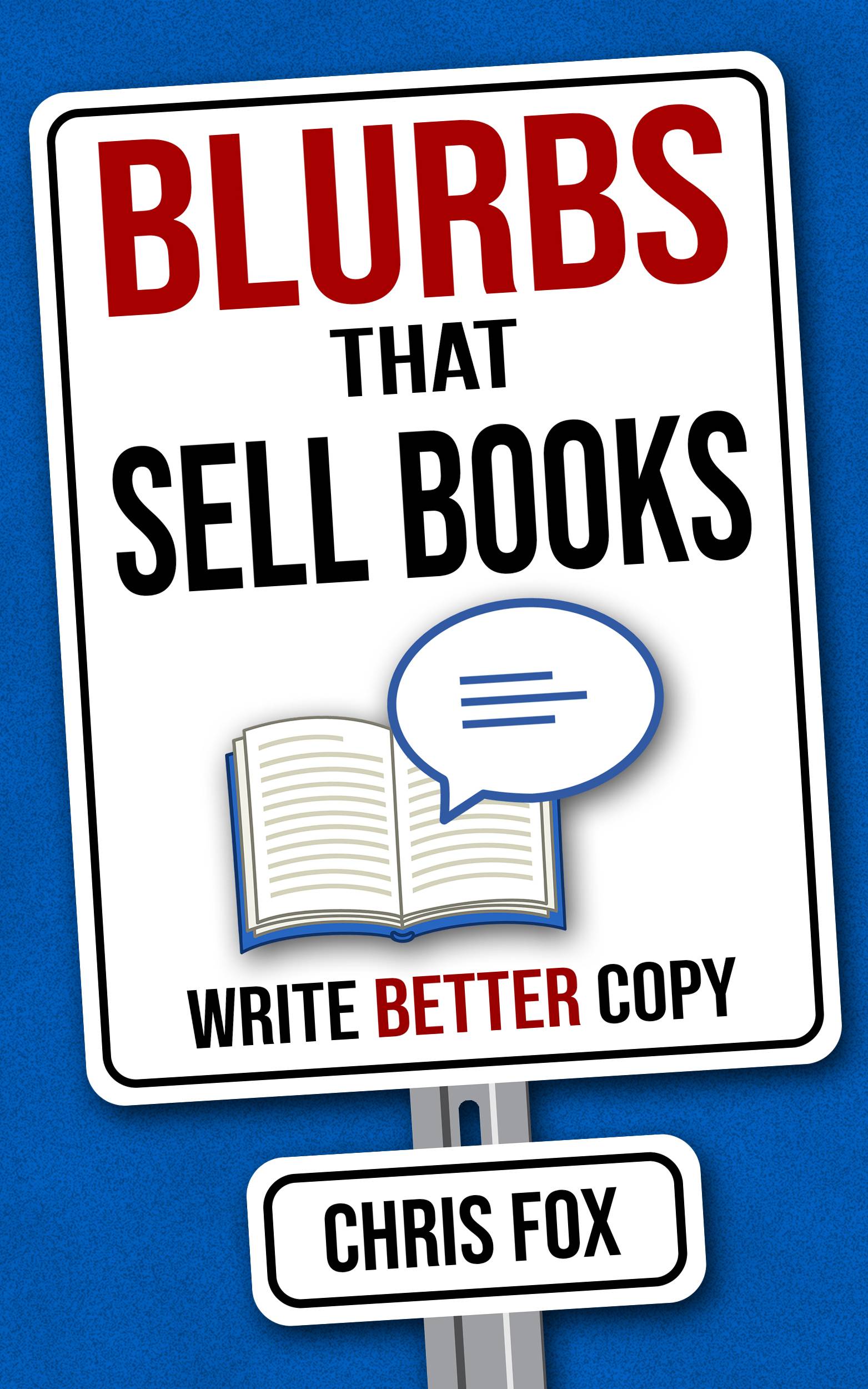

Blurbs That Sell Books is the tenth book in Chris Fox’s popular Write Faster, Write Smarter fiction-writing series. I’ve already read and enjoyed all of the previous books he’s produced, and I credit his book Write to Market as the driving factor behind my debut’s success.
And, being someone who has spent an unhealthy amount of time around blurbs, I naturally grabbed a copy of Blurbs That Sell Books as soon as I heard about it.
The first thing to note is that this book elaborates on some of the concepts Chris has already spoken about on his YouTube channel. For those of you looking for a “preview” of sorts, these videos let you see the logic behind his thinking and how he applies it to both his own and other authors’ book descriptions.
The book itself isn’t an exhaustive or comprehensive guide—being around 70 pages long, according to my Kindle—but it does open a window into a particularly fascinating aspect of book descriptions and human psychology.
The crux of the book is that words operate as symbols. Every word bears a web of associations that act as subtle emotional triggers. As authors, we can use this to our benefit by crafting book descriptions that are loaded with the right symbols for our genre.
Chris calls these “keywords”. As opposed to the 7 keywords we enter into Amazon’s metadata, these blurb keywords are psychologically powerful words that connect with readers on an emotional level.
A fantasy book might use keywords like crown or sword, while a sci-fi book might use spaceship or alien. Using these symbols lets us draw in the right readers, while also turning away people who aren’t our target audience.
Chris also provides some examples from his own books, so you can see the blurb that made Tech Mage into an Amazon top 100 bestseller. I have to say, while reading that blurb, I felt a bit like a wine taster with a rare vintage. Or perhaps like this one clip from The Simpsons:
Chris also provides a blurb from one of his other novels that needed revising, along with his methods for working genre-relevant symbols into your own book descriptions. It’s written for authors who want to DIY the process, so you can follow along even if you’re not able to spend money on keyword services like K-Lytics or Publisher Rocket.
The collection of step-by-step exercises makes it easy to follow along and start writing your own effective blurbs that incorporate valuable keywords.
Overall, I recommend Blurbs That Sell Books to any author who wants to learn more about the psychological impact of language and how we can use it to—as the title says—sell more books.
You can buy the book here: https://www.amazon.com/Blurbs-That-Sell-Books-Smarter-ebook/dp/B0H6RBX88R
Want to improve your book sales a with a professional, done-for-you book description? Click here to find out more.

Morgan Lee Clasper is a copywriter, book sales strategist, and author of The Blurb Puzzle. With over seven years of experience in the publishing industry, he’s worked with New York Times, Wall Street Journal, and USA Today bestselling authors, writing 4,000 blurbs and counting.

3 Ways to Write a Blurb for a Book Series or Box Set
Everyone loves a good book series or box set (whether that’s an anthology, collection, or omnibus). For readers, they can binge-read and lose themselves in thousands of pages for a very modest price. And for authors, publishing series and box sets are a great way to boost your royalties, sell more books, and benefit from…

3 Changes That Improved My “Dead” Book Sales By 1000%
After writing several fantasy books in 2020-2022, I took a few years off from writing to focus on my work, and I kind of forgot about them. While my Frostwing series continued to generate sales and page reads in the background, my newer series—with Dragon’s Mark as book 1—floundered. Sales dropped off, and it never…

The Worst Book Marketing Advice I've Ever Heard (and What To Do Instead)
Over the last 7+ years I’ve been in the self-publishing space, I’ve seen the whole gamut of advice. While a great deal of book marketing advice out there is sound wisdom, occasionally I see a recommendation (usually on a website like Reddit) that completely misses the mark and leaves me feeling for any author who…

I spent $150 on an ARC campaign. Here’s what happened.
Not too long ago, I came out of a writing hiatus and decided to write a spinoff novel for my biggest series. I’d heard plenty about ARC campaigns before, but I’d never really committed to testing one myself. For that reason, I decided to create a simple, small-scale experiment to gather some first-hand experience. While…

3 Ways to Market a Book That Fits in Multiple Genres
Picture this: You’ve finished writing your magnum opus. It’s a fantasy epic with romance, spaceships, and a murder mystery. Or, like one author I follow, you’ve written a supernatural archaeological thriller with pyramids and werewolves. But when it comes to publishing and marketing your book, you run into an issue: you have so many different…

Why Studying Bestselling Books Isn’t The Best Advice For Indie Authors
When writing your book description or gathering ideas for your book cover, it’s helpful to browse Amazon and look at what bestselling books in your genre are doing. This is particularly helpful for authors who are stuck on their book description. Taking inspiration from others is a great way to stimulate your creativity and give…
Sell more books with this free blurb-writing guide.
Learn the top copywriting secrets to create highly effective blurbs that will have your book flying off the shelves.

Leave a Reply